
Why Virtual Staff Fail at Agencies: System Issues
Virtual Assistants, Outsourcing, Agency Operations
Why Virtual Staff Fail at Agencies (And It’s Usually Not the Staff)
If you’ve tried hiring a virtual assistant or remote team member and it fizzled out, you’re not alone. Most agency owners walk away thinking, “Remote just doesn’t work for us.” In reality, the problem is rarely the person—it’s the system around them.
The Real Reasons Virtual Staff “Don’t Work Out”
When a remote hire fails, we tend to blame attitude, skills, or culture fit. But in agencies, the same four failure modes show up again and again, even with highly capable people.
1. No SOPs: You’re Delegating Chaos, Not Tasks
A virtual assistant can’t see over your shoulder. Without simple, written standard operating procedures (SOPs), they’re guessing what “done” looks like. That leads to rework, frustration, and the feeling that it’s “faster if I just do it myself.”
An SOP doesn’t need to be fancy. A shared document or short Loom video answering three questions is enough:
What is the task and why does it matter?
What are the exact steps to complete it?
How do we know it’s done correctly?
2. Unclear Escalation Path: They Get Stuck and Go Silent
In an office, people can swivel their chair and ask for help. Remotely, they hit a blocker and don’t know:
Who to ask
How quickly they should expect a response
Whether they’re “allowed” to interrupt you
Without a clear escalation path, tasks stall. Your VA looks slow; you feel like they’re not proactive. In reality, they’re trying not to be a nuisance.
3. No Feedback Cadence: Problems Grow in the Dark
Many agency owners give a big download in week one and then disappear into client work. The VA sends updates; you skim them between calls. There’s no scheduled time to:
Review work together
Clarify expectations and priorities
Course-correct before issues snowball
Without a weekly or bi-weekly feedback rhythm, small misunderstandings turn into “this just isn’t working.”
4. The Wrong First Task: You Start with Your Messiest Work
A common pattern: you finally hire help and immediately hand over the task that’s been haunting you for months—an inbox from hell, a broken reporting system, a complex client account. That’s not delegation; that’s a rescue mission.
Early on, your virtual staff need contained, repeatable tasks with clear success criteria. Give them a chance to win before you throw them into the deep end.
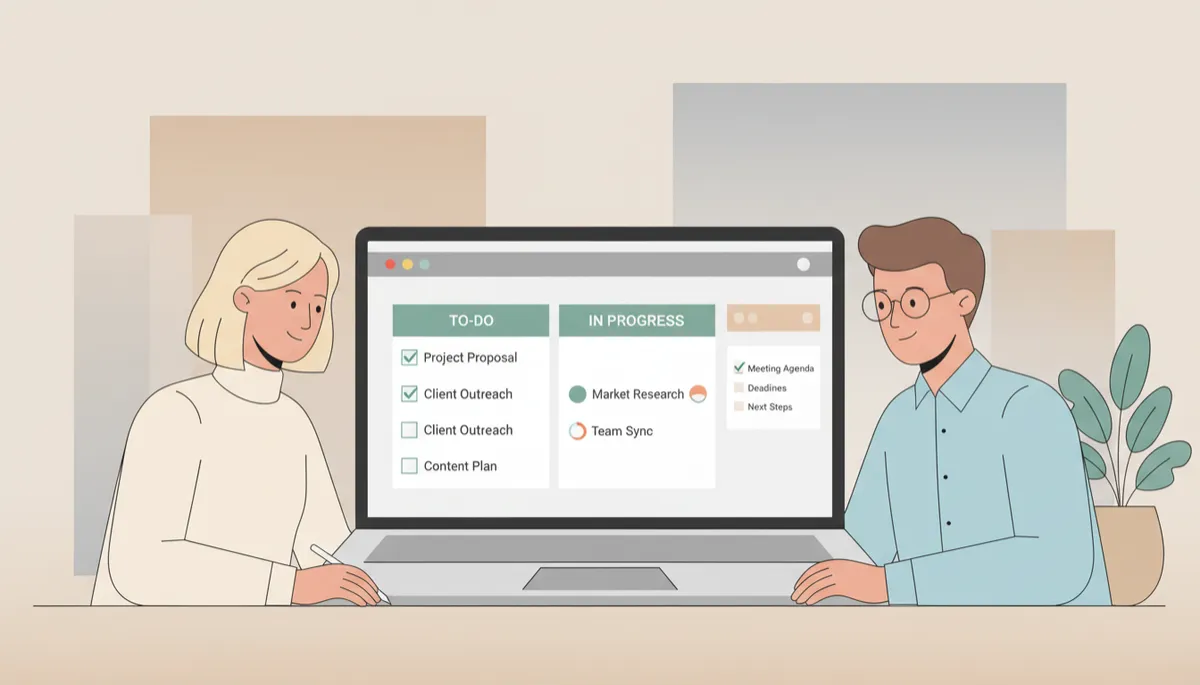
Starting with small, repeatable tasks builds trust and reveals where to improve your systems.
What a Remote Team Actually Needs from Your Agency
High-performing virtual staff aren’t unicorns. They’re the result of a clear environment. At minimum, your remote hire needs:
Defined outcomes: not “help with admin,” but “prepare six client reports by Friday, following this template.”
Basic documentation: checklists, templates, and examples of what good work looks like.
One main point of contact: someone who can prioritize tasks and answer quick questions.
Communication rules: which tools to use, expected response times, and when to escalate.
Regular check-ins: a short recurring meeting to review work, unblock issues, and adjust priorities.
💡 Pro Tip: Treat your first 30–60 days with a virtual hire as a setup phase. You’re building the machine they’ll run, not just “throwing tasks over the wall.”
How to Scope a Low-Risk, High-Learning Pilot
You don’t have to gamble months of payroll to see if virtual staff can actually work for your agency. Instead, design a 30–45 day pilot with three guardrails: small, cheap, and measurable.
Make the Pilot Small and Contained
Choose 1–3 recurring tasks that:
Happen weekly or daily (report prep, content formatting, outreach list building)
Have clear inputs and outputs
Won’t damage a key client relationship if something goes wrong
Define What Success and Failure Look Like
Before day one, write down 3–5 simple metrics you’ll track, such as:
Turnaround time per task
Error rate or number of revisions needed
Hours you personally save each week
At the end of the pilot, you should be able to say, “Keeping this going saves me X hours, costs Y, and the quality is acceptable or better.” That’s a business decision, not a gut feeling.
Make Failure Cheap and Useful
Even if the pilot “fails,” it shouldn’t be a total loss. If you document the tasks, clarify your expectations, and build simple checklists, you still walk away with better internal systems and clarity on what to try next time.
What to Keep Internal While You Build Trust
Trust with virtual staff is built in layers. Early on, protect the parts of your agency that are most sensitive, and expand access as reliability is proven.
Client strategy and pricing: keep high-level strategy, proposals, and pricing decisions with you or senior leadership until you’ve seen consistent judgment and discretion.
Financial access: avoid giving full access to banking, payroll, or ad accounts with payment methods early on. Use limited roles, approvals, and separate cards where possible.
Delicate client communication: let virtual staff draft emails, reports, or updates, but keep final send authority in-house until you’re confident they understand tone and context.
Over time, as they demonstrate reliability, you can graduate them from back-office support to more client-facing and strategic responsibilities, with clear permissions at each step.
The Bottom Line: Fix the System, Not the Staff
If your first experience with virtual staff was disappointing, it doesn’t mean remote support “doesn’t work for your agency.” It usually means you asked someone to operate inside an undocumented, undefined system—and then blamed them when it broke.
Start smaller. Document just enough. Create a clear escalation path and a simple feedback cadence. Protect the sensitive pieces while you build trust. Do that, and your next remote hire is far more likely to feel less like a failed experiment and more like the extra capacity you’ve been needing for years.


